
Surfaces
Cleaned to Remove
Years of Accumulation
Pressure Washing in Manchester for building exteriors, pavement, and surfaces affected by salt and freeze-thaw cycles
New Hampshire's winters leave salt residue, dirt, and staining on building exteriors, driveways, and walkways that normal rinsing won't remove. Freeze-thaw cycles drive moisture into porous surfaces, carrying contaminants that discolor siding, concrete, and pavement over multiple seasons. RAKIN Property Services pressure washes residential and commercial properties using commercial-grade equipment that removes embedded dirt, organic growth, and winter residue. Properties scheduled for listing, businesses refreshing their appearance, and landlords preparing units between tenants all benefit from pressure washing that returns surfaces to noticeably cleaner condition.
The process uses high-pressure water to dislodge contaminants from surfaces without relying on harsh chemicals that damage landscaping or require special disposal. Siding, brick, concrete, and pavement all accumulate different types of staining—organic growth on north-facing walls, oil stains on garage floors, salt residue along driveways—and each requires appropriate pressure settings and techniques to clean effectively without surface damage.
Schedule pressure washing to evaluate which surfaces need cleaning and what results are achievable given current staining.
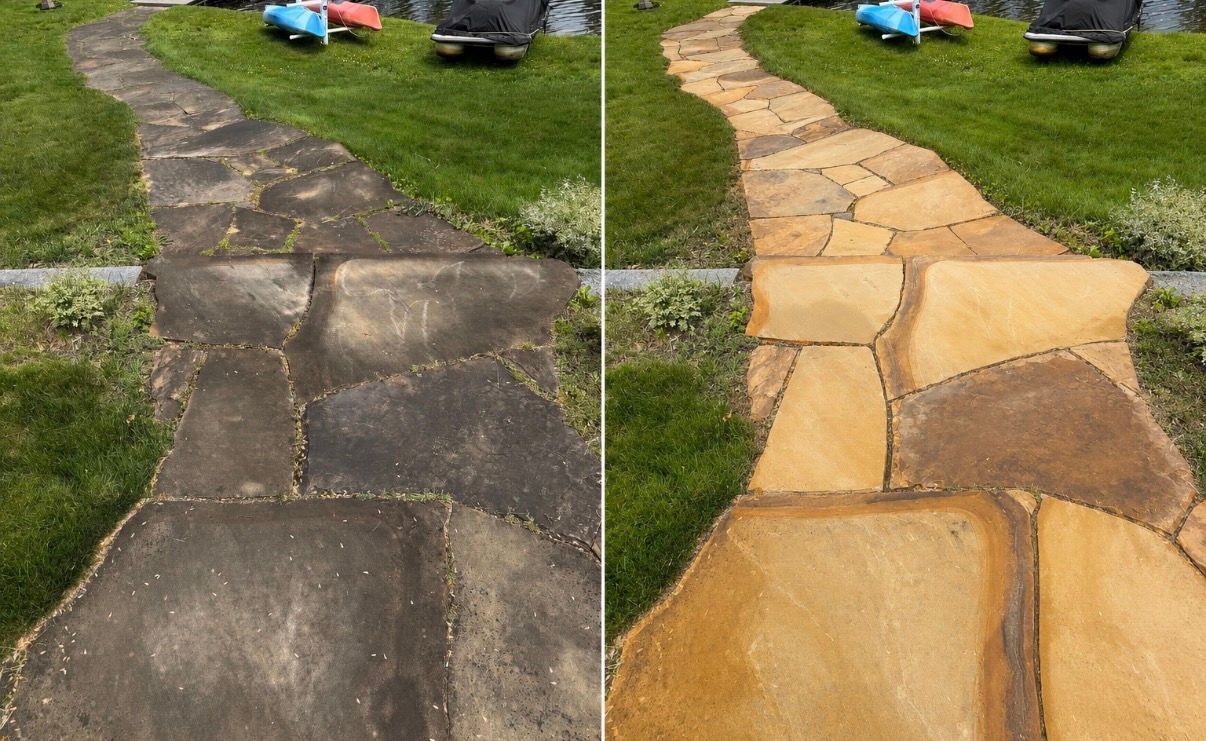
What Actually Gets Removed During Pressure Washing
Pressure washing removes algae, mildew, and moss from shaded siding and foundation areas where organic growth darkens surfaces over time. Salt and sand residue that accumulates along driveways during winter is flushed from pavement pores and concrete surfaces. Oil stains, tire marks, and general dirt embedded in concrete are lifted using focused pressure and technique adjustments based on surface type. Siding returns to its original color rather than the grayed, streaked appearance that develops after several years of exposure.
Once pressure washing is complete, building exteriors look maintained rather than weathered, concrete and pavement appear uniform in color without dark streaks or patches, and organic growth is removed from areas where it was visibly darkening surfaces. The cleaning makes property age less obvious—five-year-old siding looks closer to its installation appearance, and driveways no longer show distinct tire paths or salt trails from years of winter use.
Frequency depends on exposure and property use—commercial properties with high visibility may schedule annual cleaning to maintain appearance, while residential properties often need pressure washing every two to three years unless specific staining develops sooner. Properties with significant tree cover or north-facing walls develop organic growth faster than properties in full sun. The service works best in spring or fall when temperatures allow surfaces to dry completely after cleaning without immediate re-soiling from summer pollen or winter salt application.
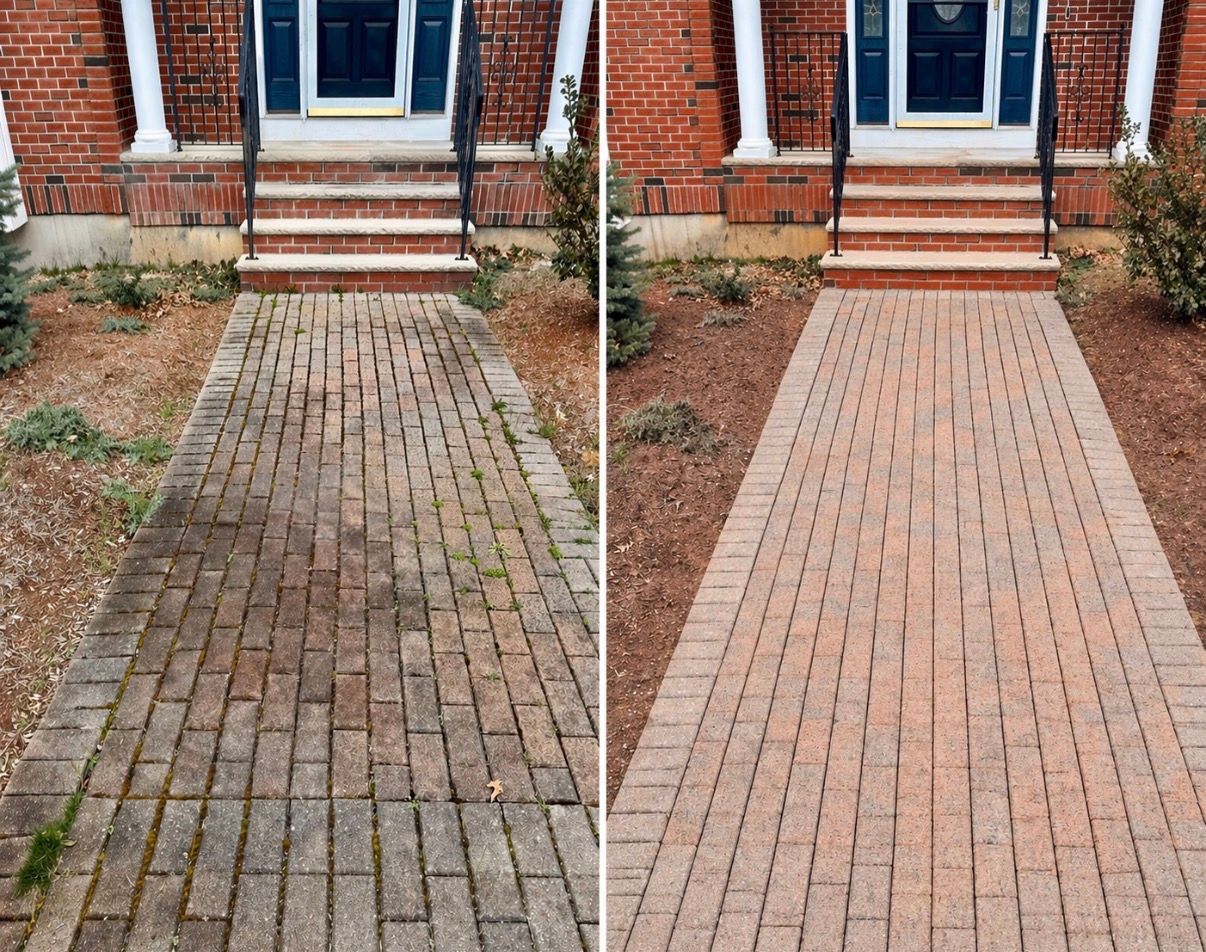
What to Know Before Scheduling Pressure Washing
Pressure washing produces visible results on surfaces with accumulated dirt and staining, but property owners often have questions about what the process can and cannot accomplish.
What surfaces can be pressure washed?
Vinyl and fiber cement siding, brick, concrete driveways and walkways, pavement, and building foundations are commonly cleaned. Wood surfaces and older painted siding may require lower pressure or alternative cleaning methods to prevent damage.
How long does pressure washing take in Manchester?
A typical single-family home exterior takes two to four hours depending on size and surface condition. Large commercial buildings or properties with extensive pavement may require a full day or more.
When is the best time for pressure washing in Manchester?
Spring cleaning removes winter salt and grime before properties are listed or outdoor spaces see heavy use. Fall washing prepares properties for winter and removes summer organic growth before freeze-thaw cycles lock it into surfaces.
What happens to water and removed contaminants during pressure washing?
Runoff flows to existing drainage paths on the property. Organic material and dirt are flushed away with the water, while oil and heavy contaminants may require absorbent materials for proper collection.
How much does pressure washing cost in Manchester?
Pricing depends on surface area, staining severity, and accessibility—ground-level work costs less than multi-story building exteriors requiring extended equipment reach. Properties with heavy organic growth or years of accumulated salt residue take longer to clean than lightly soiled surfaces.
RAKIN Property Services pressure washes commercial and residential properties throughout Manchester and Southern New Hampshire when surfaces need cleaning to remove accumulated dirt, salt, and organic growth. Request a quote based on the specific surfaces and staining conditions at your property.